Canados yacht service in Mallorca

Blueward Marine services and repairs Canados yachts in Mallorca, including the Gladiator 631 and its Volvo D13 engines, ZF gearboxes and surface-drive propulsion. We also diagnose stabilisers, deck hydraulics, cooling, electrical faults and onboard machinery, at the yacht or through our Palma workshop.

Canados was founded in Rome in 1946 and builds yachts at its shipyard on the Tiber in Rome, Italy.

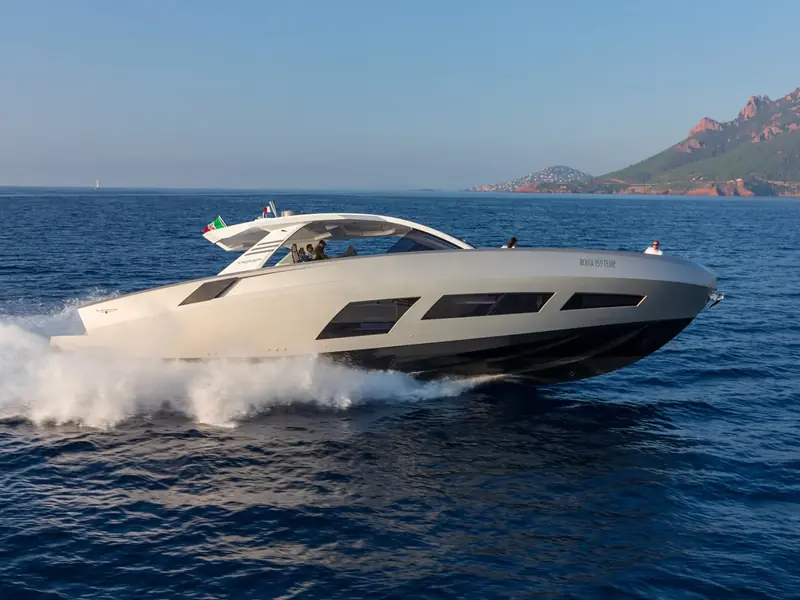
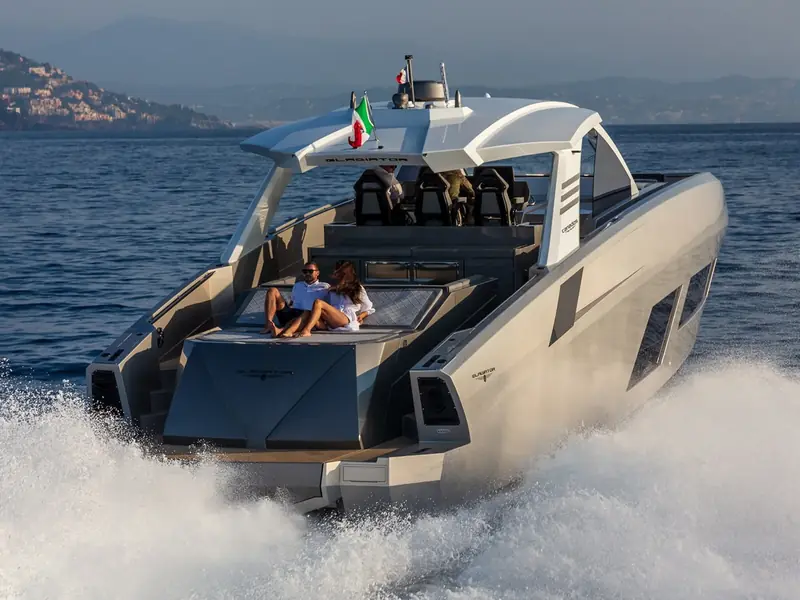
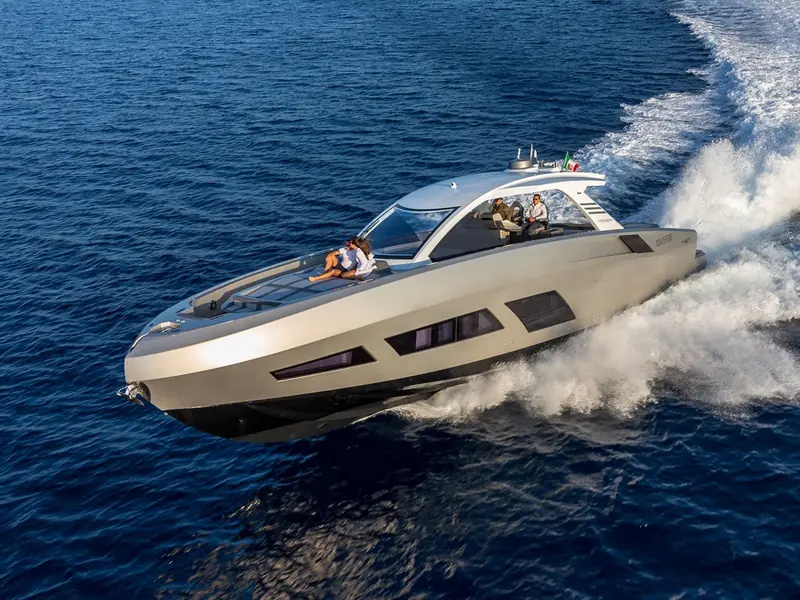
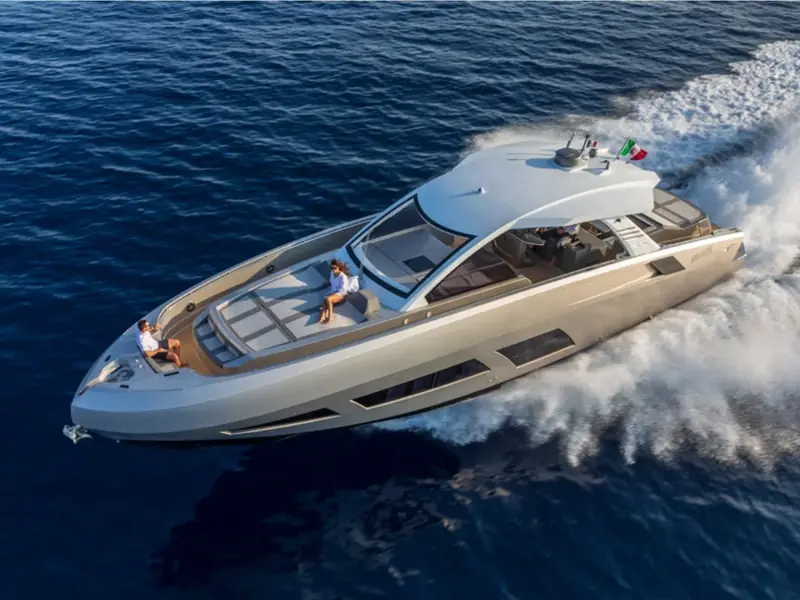
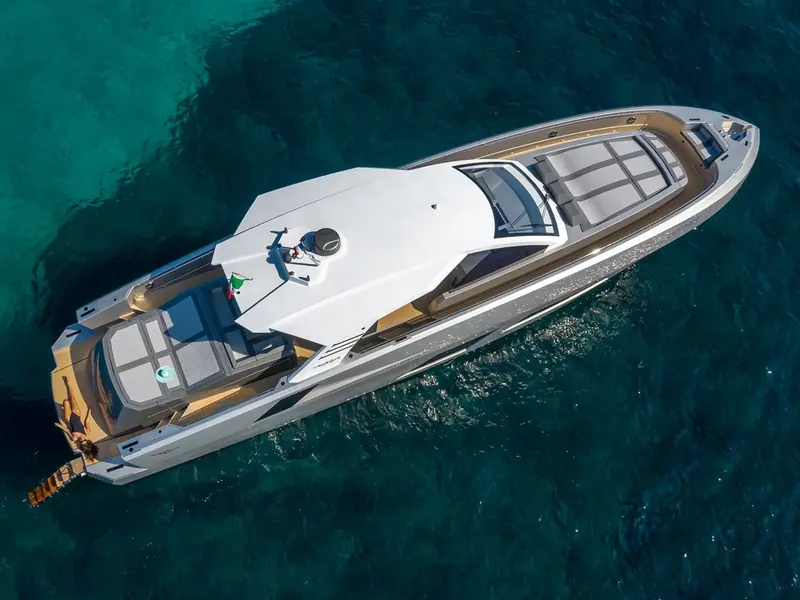
Aerial port side view of yacht NEXT cruising at high speed on blue water with people on the foredeck.
Photo: NEXT, Canados 631. Bluebnc Yachting managed fleet.
01

Canados yachts in the Bluebnc managed fleet

Bluebnc Yachting, our sister company, manages these yachts in Mallorca and works with Blueward Marine as its engineering company. Yacht figures come from each yacht's public Bluebnc listing; model figures come from the builder documents and tests listed at the foot of the page. Bluebnc Yachting

Aerial view of the motor yacht NEXT cruising at speed on the open sea with people on the foredeck.

NEXT

Canados 631

Built
2021
Length
19.5 m
Listed power
2,400 hp
Fuel capacity
2,500 L
See NEXT on Bluebnc

The published Gladiator 631 installation pairs twin 1,000 hp Volvo D13 engines with ZF 400 gearboxes and JDM 30 Special trim-capable surface drives. A twin 900 hp Volvo D13 straight-shaft alternative was also published. The surface-drive arrangement includes aft rudders and a bow-thruster and rudder joystick. NEXT is listed by Bluebnc as a 2021 Canados Gladiator 631, 19.5 m long, with 2,500 litres of fuel, a hydraulic swim platform and cruising stabilisers.

Engines (published)
2 x Volvo D13, 1,000 hp; 2 x 900 hp straight-shaft alternative
Drive
JDM 30 Special surface drives; straight-shaft option
Stabilisation
Cruising stabilisers, NEXT listing

First checks on this model

  • Inspect both Volvo D13 seawater circuits, charge-air coolers, exhaust elbows and strainers for restriction, leakage and salt deposits.
  • Check ZF 400 gearbox oil condition, operating pressure, mounts and engagement, then compare port and starboard temperatures under equal load.
  • Cycle the JDM 30 Special trim system, inspect hydraulic lines and transom seals, and check aft rudders and propellers for play or damage.
  • Run NEXT’s cruising stabilisers through start-up and operating modes, review alarms and cooling flow, and inspect the hydraulic swim platform for leaks.
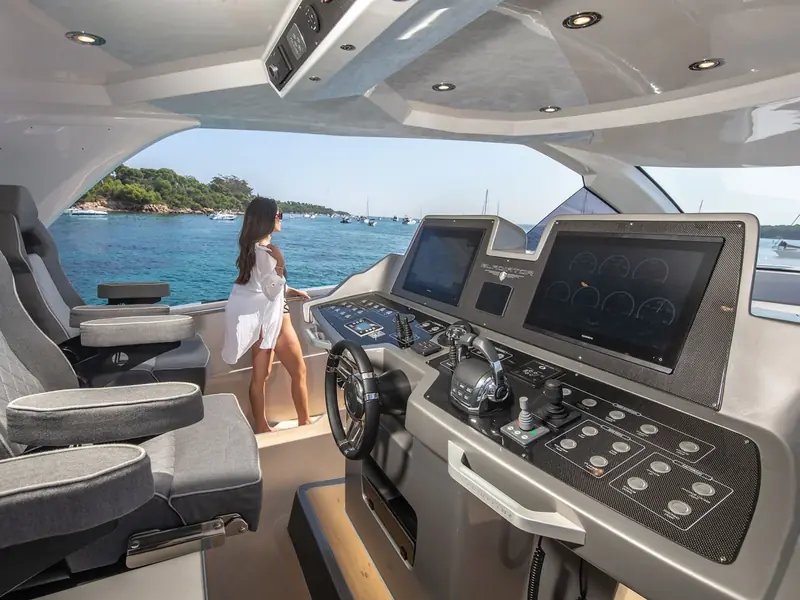
Published specifications change with build year and options. Before ordering parts we confirm engine, drive and equipment serial numbers on board.

02

About Canados

  • 01

    Canados combines in-house engineering and CFD checks with composite construction using E-glass, Kevlar and carbon fibre. Gladiator hulls and decks may be vacuum-bagged or infused, reducing structural weight around the propulsion package. For service planning, machinery access, bonded structures, exhaust routing and transom loads should be considered together, particularly where surface-drive hardware transfers thrust and steering loads through the aft structure.

  • 02

    On the Gladiator 631, the published 1,000 hp installation uses Volvo D13 engines, ZF 400 gearboxes and trim-capable JDM 30 surface drives, with aft rudders and a bow-thruster and rudder joystick. Warm seawater and summer heat make clean strainers, unrestricted heat exchangers and sound hydraulic cooling important. Posidonia and sand can restrict intakes, while short turnaround windows favour recorded temperatures, pressures and alarms before components are disturbed.

  • 03

    NEXT, a 2021 Canados Gladiator 631 of 19.5 m, is in the Bluebnc Yachting managed fleet in Mallorca. Its listing records a hydraulic swim platform and cruising stabilisers. Bluebnc works with Blueward Marine as its marine engineering company, providing a local route for technical assessment, planned maintenance and repair support.

03

Systems on these Canados models

  1. 01

    Main engines

    On the 631, twin Volvo D13 engines sit ahead of ZF 400 gearboxes in the published surface-drive package. First checks cover alarm history, oil and coolant condition, belts, mounts, fuel supply, exhaust integrity and comparative running data. In Mallorca, seawater strainers, coolers and exhaust injection points deserve early attention after weed ingestion or sustained summer loading.

  2. 02

    Surface drives

    The JDM 30 Special drives are trimmable, with separate aft rudders, so trim, steering and gearbox behaviour must be assessed as one propulsion system. An engineer first checks drive oil, hydraulic pressure, cylinder movement, hoses, transom sealing, rudder linkages and propeller condition. Uneven trim position, play or fouling can present as poor acceleration, vibration or unequal engine load.

  3. 03

    Cruising stabilisers

    NEXT’s Bluebnc listing records cruising stabilisers. Assessment starts with control status, alarm history, operating hours, electrical supply and any dedicated seawater cooling circuit, followed by a controlled run to check noise, vibration and response. In warm Mallorca water, restricted cooling flow can produce repeat alarms during longer operation, even when dockside start-up appears normal.

  4. 04

    Deck hydraulics

    NEXT is listed with a hydraulic swim platform, while the published 631 design also includes a multifunction gangway. Initial checks cover reservoir level and fluid condition, pump current, relief pressure, hoses, cylinders, pins, locks, limit switches and emergency lowering. Salt contamination around exposed fittings and sand at moving joints can turn a minor leak or misalignment into unreliable operation.

Questions captains ask

The published 1,000 hp package uses twin Volvo D13 engines, ZF 400 gearboxes and JDM 30 Special trimmable surface drives with aft rudders. The published 900 hp alternative uses straight shafts. Service scope therefore changes materially: surface drives add trim hydraulics, transom assemblies and separate rudder gear to the gearbox, alignment and propeller checks.

Inspect both engine seawater strainers first, then verify raw-water flow, cooler temperatures and exhaust discharge under load. On the surface-drive configuration, also inspect propellers and rudders for Posidonia or line fouling, and compare engine load and trim position side to side. Continued high temperature or unequal load warrants a controlled diagnostic run rather than repeated full-power operation.

NEXT’s listing records cruising stabilisers and a hydraulic swim platform. For the stabilisers, review controls, alarms, operating hours, power supply and cooling flow before an operational test. For the platform, inspect hydraulic fluid, pump current, pressure, hoses, cylinders, locks, limit switches and emergency lowering, then cycle it while checking for leakage, uneven travel or abnormal noise.

Need it fixed?

Tell us what's wrong — by phone, WhatsApp, or online with photos.

Prefer a call back?

Leave your name and number and we'll call you back. Add the yacht's name if you have it.

We call back Mon–Fri 8:00–18:00 and Sat 9:00–15:00. For an emergency, phone +34 971 251 374.